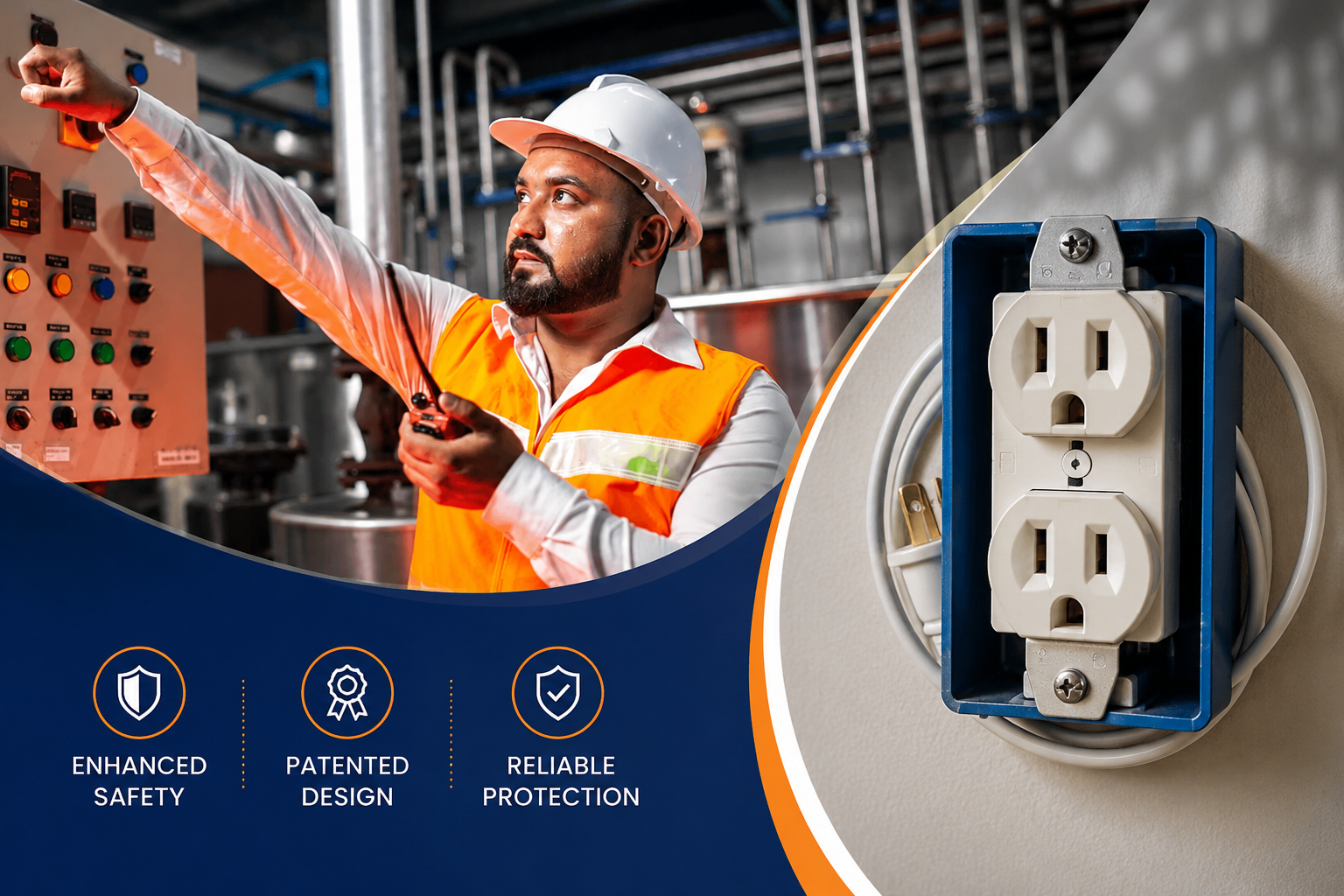
Los Angeles runs on contrast — century-old craftsman homes a few blocks from brand-new high-rises, working soundstages next to quiet residential streets. That mix means the city’s electrical infrastructure spans decades of different standards, and it’s exactly why patented safety receptacles in Los Angeles are starting to get real attention from homeowners, builders, and facility managers alike.
In a city this large and this varied, no single safety solution fits everyone the same way — which is exactly why a design flexible enough to work across older homes, new builds, and commercial spaces alike matters so much here.
A City Built on Every Era of Electrical Standards
Plenty of LA’s older homes and bungalows predate the 2008 National Electrical Code requirement for tamper-resistant receptacles entirely, while newer developments across the city are built to current code from day one. That patchwork creates a real opportunity: a single, patented safety receptacle design that works whether it’s going into a decades-old Spanish revival home in Silver Lake or a freshly built unit downtown.
What Is a Patented Safety Receptacle Design, Exactly?
A patented safety receptacle design refers to an outlet engineered to prevent unauthorized access to power based on the specific size and shape characteristics of a standard plug blade, rather than relying solely on the spring-loaded shutter mechanism used in standard tamper-resistant receptacles (TRRs).
How It Differs From Standard TRRs
- Standard TRRs require equal, simultaneous pressure on both blade slots to open
- That shutter mechanism can still be defeated by two thin objects inserted at once
- A patented design recognizes legitimate plug blades directly, closing that specific gap
- The result feels closer to plugging into a standard, non-safety outlet
Why Los Angeles Is a Natural Fit for This Technology
Between the entertainment industry’s constant need for reliable, safe power on sets and locations, a housing market full of older homes overdue for electrical upgrades, and an ongoing wave of new residential and commercial construction, Los Angeles represents a market where every type of buyer — homeowner, contractor, production company, developer — has a reason to care about better receptacle design.
For Homeowners
Families in LA’s older neighborhoods often assume their homes are already up to modern safety standards, when in reality many pre-2008 properties were never required to have tamper-resistant outlets at all. A patented safety receptacle offers a way to close that gap without a disruptive rewiring project.
For Productions and Commercial Spaces
Film and TV productions, along with the wide range of studios, offices, and event spaces across LA, deal with heavy, repeated plug-in use from crews and equipment. A receptacle built to handle frequent use while resisting tampering fits naturally into that environment.
For Builders and Developers
New construction across LA already has to meet current tamper-resistant requirements. Choosing a patented safety receptacle design over the code minimum is a straightforward way to build in a genuine safety upgrade without adding complexity to the electrical plan.
The Problem With Settling for the Code Minimum
Standard tamper-resistant receptacles were a real improvement when they became mandatory, but their known weakness — vulnerability to two simultaneous foreign objects — hasn’t gone away just because the design is now common. On top of that, the added resistance many people feel when plugging into a TRR leads some households and facilities to quietly bypass the feature altogether, which defeats the purpose entirely.
A patented safety receptacle design addresses both issues at once: it closes the multi-object gap, and it’s built to feel like a normal outlet during everyday, legitimate use. That combination is exactly what’s driving interest from people who’ve already lived with the limitations of a standard TRR.
What Installation Actually Looks Like
- Uses the same general dimensions as standard outlets
- Installs into existing wall boxes without special tools
- Can be added room by room, rather than requiring a whole-house overhaul
- Should always be installed by a licensed electrician
Getting Started in Los Angeles
Whether the goal is protecting young kids in a family home, upgrading a commercial space, or specifying safer outlets for a new build, the starting point is the same: understanding what a patented safety receptacle design actually offers over the current code minimum, and where it makes the most sense to start.
For most people, that means picking one or two high-priority spaces first — a family room, a busy soundstage, a lobby — rather than trying to tackle an entire property all at once.
Frequently Asked Questions
Do older LA homes need to be upgraded to tamper-resistant outlets?
Not automatically — the requirement generally applies to new construction and major renovations. Many homeowners in older properties choose to upgrade voluntarily, especially with young children in the home.
How is a patented safety receptacle different from a standard tamper-resistant outlet?
Standard TRRs rely on a spring-loaded shutter that opens under equal pressure from both blade slots, which can still be defeated by two objects at once. A patented design recognizes legitimate plug blades by size and shape instead, closing that specific gap.
Can patented safety receptacles be used in commercial and production settings?
Yes. Because they’re built to standard outlet dimensions, they can be installed in commercial spaces, studios, and other high-traffic settings without special wiring.
Is it expensive to upgrade an entire home or building?
Costs vary by project scope, but many homeowners and facility managers start with high-priority areas and expand over time, rather than upgrading every outlet at once.
Interested in patented safety receptacles for a Los Angeles home, production, or commercial space? Visit Safety Receptacles to learn more.